
L'Oreal faked it

L’Oreal’s social media presence took a huge hit when it was revealed that they created a fake blog. Push marketing in the social media space is always a bad idea, especially when it’s this blatant. Don't create fake testimonials or blogs. Ever.
Dell Hell
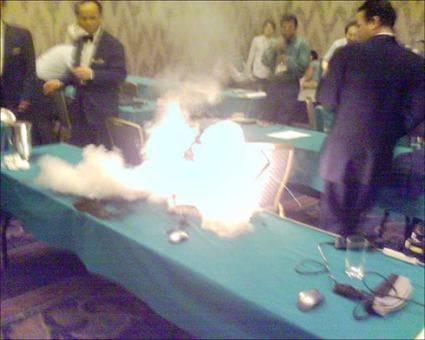
Dell's reputation went up in smoke after tech blog Gizmodo published this photo of an exploding Dell laptop. This single image spread like wildfire across the blogosphere, causing Dell to eventually recall over four million laptop batteries.
Dell eventually responded to the blogs, but it was the delayed response that put a cap on the period known as "Dell Hell." They should have responded sooner. A single image can be powerful. Use social media to stomp out fires before they turn into wildfires.
Dominos Pizza "extra toppings"
Two employees post a video on YouTube that grosses out an entire nation of pizza goers. What saved this from being anything more than a goof, however, was the reaction of then USA Domino's president, Patrik Doyle.
He gave a well-worded apology and took full responsibility. Others should have been paying attention to this.Organisations should create social media guidelines for the entire company
Red Cross gets slizzerd
It was an innocent mistake. The Red Cross's social media specialist (who was an intern) meant to send this tweet from his personal Twitter profile - not from the @Red Cross account.

Like Dominos, however, the Red Cross did a great job of owning up to the mistake, and even poked fun out of themselves in a later tweet. It was a big goof, but not a total fail. Organisations should have a system of checks and balances in place for your social media efforts. Don't expect interns to handle the full load by themselves.
Chrysler hates Detroit drivers
It'd be different if this tweet came from Honda or even BMW: not a great idea, but it would be different. But this message came from Chrysler, the same company spending millions on the "Imported from Detroit" campaign.

Making this situation even worse was Chrysler's excuse that the account was "hacked." Even though this could be true, Chrysler should have taken a page from Red Cross and Dominos.In social media always apologize: even when it's not entirely your fault.
You don’t own your hashtag.
McDonald’s found out the hard way that you can’t verbify everything. They initially tried to use the hashtag #McDStories on Twitter to showcase positive stories around McDonald’s. But instead, they a backlash of negative press ensued. They should have learned their lesson from Wendy’s #HeresTheBeef campaign four months prior.

QR Codes on Billboards = What were they thinking?
I don’t care how compelling you or your product is, no one is going to scan a QR code (not even the passenger) when driving down the freeway.
What marketers should learn from this
Push marketing rarely works as a social media strategy. Instead of releasing a standard press release, use a multitude of social media channels to interact with your audience. Doing so makes your message much more likely to be spread.
And if you're using social media, make sure you take it on seriously. Create the proper support channels and oversight so that mistakes don't happen, because once your message is out there in the universe, it can't be taken down easily.
But if mistakes are made, be prepared to go through the appropriate social media channels to push an apology message out there. And make sure that while pushing your apology message out there that you're interacting with disgruntled customers.
Not only will this demonstrate to the world that you are listening, but also that you are truly empathetic.

Yeah, after seeing these examples, social media can be a double edged weapon depending on how you implement it.
ReplyDeleteCompanies are like celebrities in social media.. Any failure happened in public and it goes across the globe. The worst scenario is people will keep talking about it for a period of time
ReplyDeleteI think creating a fake blog and posting fake testimonials is one of the worst social media marketing strategies you can do. Push marketing should always be honest and truthful because consumers will always interact with each other, and there will be people in the background checking the legitimacy of your actions. With the L’Oreal situation, the business might end up having a lot of trouble in their hands when people find out that the company is just posting random and made-up stories on their site. Content is one of the prime factors that move social media marketing. And the confirmation of fake content would damage the credibility and reputation of a company.
ReplyDeleteL’Oreal totally made a wrong move creating a fake blog site. Web content is the one of the reasons why people visit a website in the first place. So what you post online should always be genuine and true. Also, posting a lot of positive reviews can sometimes backfire because people might think the website is not built to provide honest content, but for promotional purposes only.
ReplyDeleteThese incidents simply tell you that as social media can help you establish a good reputation, it also has the ability to ruin your business as well. One wrong move, one toe out of line can make or break your business. It’s important that you manage your account well. Choose the best person who will handle your page/profile and examine first the content you’re going to share with your customers. Will this create a good impact on your business or not?
ReplyDeleteThank you for taking the time to write such an informative post about social media marketing.
ReplyDelete